
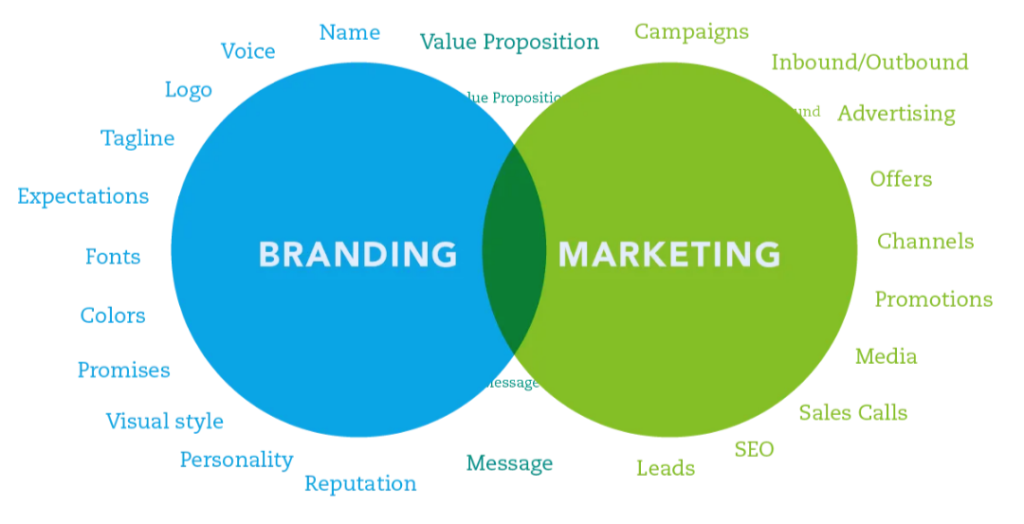
Every strong company relies on branding and marketing. Who they are takes shape through branding, yet marketing spreads that presence far and wide. Trust grows slowly, yet recognition comes faster when people see your name over time. Visibility rises best by guiding attention toward what you offer every day. Emotional bonds form quietly; however, results show up clearly where effort meets exposure. Right now, in the online world, companies must pair strong identities with sharp promotions just to keep up. When branding makes sense, people are more likely to recall it – meanwhile, targeted outreach helps them find you when it matters most.Growth over time needs both. Digital tools now shape how businesses promote themselves entirely
Why content creation at the first:
Content creation is far most the first point of connection between the brand and the target audience. By the time the customer decides to visit the website, click on the ad or buy the product, they have already been introduced to the brand through some form of content; whether it be a social media post, reel, blog or ad. The content is the first point of contact and can make or break the initial impression the customer has of the brand.
Content creation and social media:
Social media is one of the first and the impact creating interaction for many customers and potential customers, and it is one of the primary ways people interact with your brand is through your social media content. This majorly includes Instagram posts, LinkedIn updates, tweets, and of course, videos for platforms like TikTok.
Important is to have a strategy when posting this content. Having content is not the same as having a social media marketing plan, and in fact having content without a plan does not really result in much other than making you feel busy and hopeful that someone out there is reading or watching what you are posting.
The key to effective social media is to ensure there is consistency of branding and messaging that resonates with your customers and helps to achieve your marketing and customer engagement goals.
Example:
Take a start-up coffee shop, they share pictures of their specialty coffee drinks, behind the scenes of their baristas hard at work and even run polls to figure out which coffee drinks their customers love the most. Using consistency of language, design elements and overall the complete look and feel, they build an online brand that their customers not only engage with but visits too.While social media content creation attracts attention and builds brand awareness, the journey does not end there.
Once a user clicks on your post, visits your website, or downloads your app, their experience determines whether they stay or leave. This is where user experience designers step in. They ensure that the transition from content to website feels smooth, intuitive, and aligned with the brand’s identity.
User experience designers:
What people feel when they interact with something shapes how much others might care about it.People who design user experiences care about a few key things,Easy navigation,Clear call-to-action buttons,Pages load quickly,Mobile responsiveness.Just check out easily.
Good ux:
It lessens the bounce rates, uplifts engagement, enhances customer satisfaction, Boosts conversions,A well-designed website optimizes brand credibility and customer trust.
A proficient digital marketing agency:
Start by knowing who needs to hear the message. That knowledge shapes a plan built around those people. Progress shows up in how leads flow in and results pile up. Adjustments happen quietly when numbers shift or effort doesn’t match payoff. Lead quality rises, income follows, while spending less on wasted outreach becomes normal.
Role of brand storytelling:
What stands out is how content marketing helps a company be seen as trustworthy and more defined in what it stands for.
Key points:
Blogging helps share ideas across platforms while articles dive into longer topics. Content on social apps spreads fast yet videos tell stories in minutes rather than posts. Info graphics make complex points clear through visuals. Case studies show real results people can relate to.
Brand storytelling:
Creates emotional connectionsWhat sticks is often what lingers.Fosters long-term loyalty.What stands out is how it differs from others in the market.When a company puts out reliable, useful content, it tends to rise through its field.
Social media branding strategy:
Social media plays an important role in how brands are seen today.Where the online platforms help shape how people look at the brand.Here’s what works.Keeping things look uniform across platforms,Creating engaging content,Working together with influencers,Community involvement,Checking on how things are performing.
Benefits:
Connecting straight to customers becomes easier when social media is part of daily operations. Brand recognition grows faster through online presence rather than traditional methods. People stick closer to brands they see regularly across digital spaces. Check-ins about what buyers want appear more clearly from real-time feedback patterns. Apps like Instagram, Facebook, LinkedIn, and TikTok leads companies towards the only groups interested in their offerings.
The online reputation management:
Online reputation management centre’s on how people see your brand in the digital space. Today, customer reviews and social proof play a major role in buying decisions.
Key aspects of orm:
Monitoring online reviews and mentions.Responding professionally to negative feedback.Encouraging positive customer reviews.Managing brand image on social media.
Why it makes a difference:
Trust builds when actions align with words,Good name keeps the brand steady,Confidence rises in those who see value,More people follow through when expectations are met,Strong presence shape’s identity,Thoughtful oversight helps messages reach further.
With visuals that grab attention, brands build stories people actually stick around for. Using images this way supports ads, campaigns, and long-term awareness without shouting about themselves. When images lead, websites adapt, social posts evolve – all feeding deeper bonds with buyers. Over time, consistency like these fuels lasting identity and trustworthy ties. So every shot used fits somewhere larger than itself
At its core, building a brand isn’t about separate steps – it flows into a loop where attention turns into interaction, then purchase, finally loyalty. Those who grasp this rhythm give themselves room to grow steadily within today’s shifting online environment.